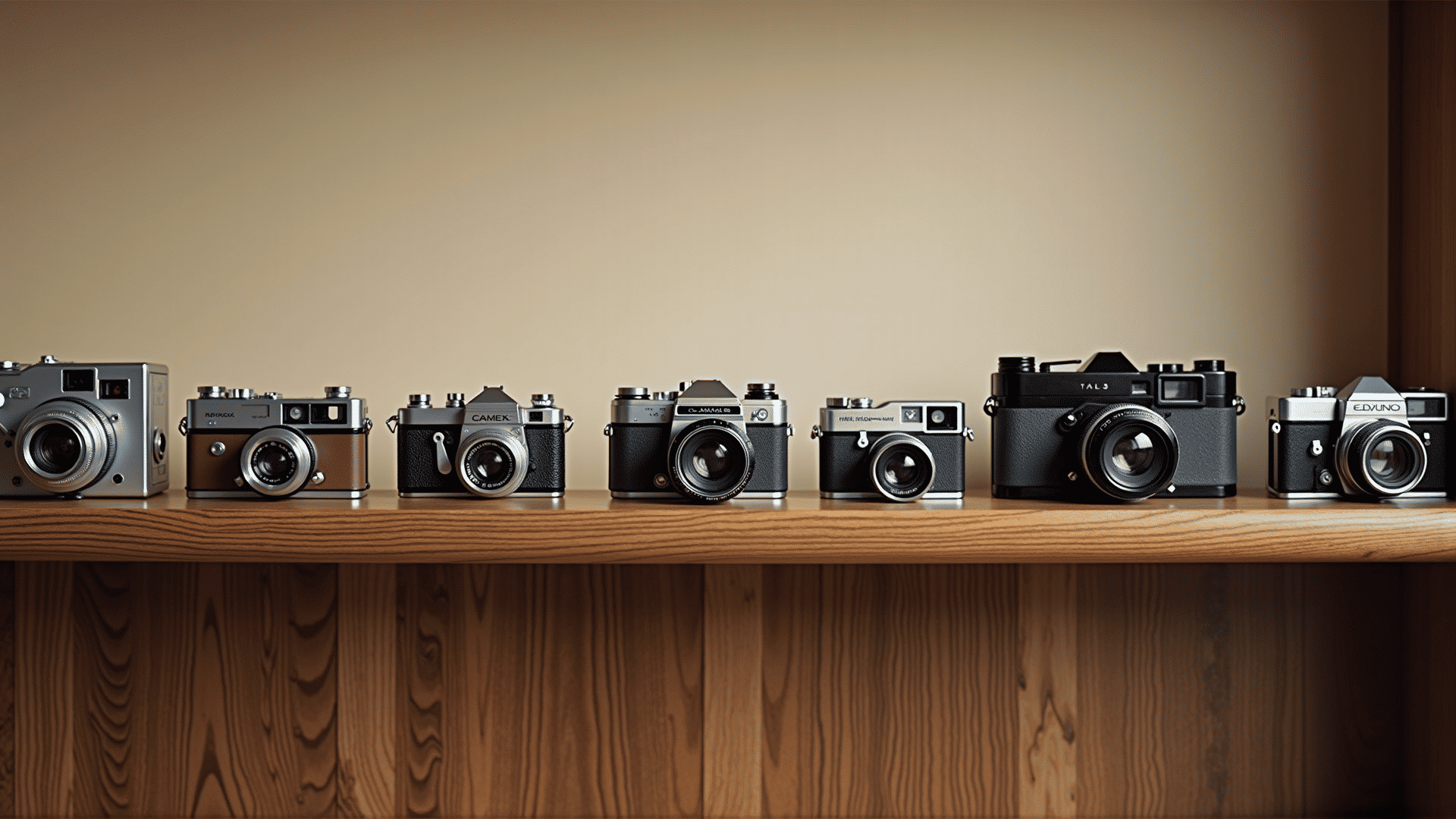
The transformative journey of camera technology has been an extraordinary blend of scientific innovation and artistic expression. From the earliest days of photography, cameras have not only captured moments in time but also shaped how we perceive and interpret the world around us. Let’s embark on a brief journey through the evolution of this remarkable technology and examine how these advances have influenced photography styles over the decades.
The story begins in the 19th century with the advent of the daguerreotype, introduced by Louis Daguerre in 1839. This pioneering photographic process produced detailed images on silvered copper plates. Though the process required considerable time and patience, it laid the groundwork for future advancements in capturing images more reliably.
In the latter half of the 19th century, the invention of dry plates by Richard Leach Maddox was a significant milestone. This development allowed photographers to abandon cumbersome wet plate methods, making photography more accessible and mobile. Artists began experimenting with various styles, influenced by the newfound ability to shoot outside of a controlled studio environment.
The 20th century heralded the rise of roll film, pioneered by George Eastman. This innovation revolutionized the field, allowing cameras to be smaller and more portable, and enabling the widespread adoption of photography by amateurs and professionals alike. The democratization of photography nurtured a diverse range of styles, from documentary to street photography. Portable cameras facilitated spontaneous and candid shots, giving rise to iconic images that depicted everyday life and significant historical events.
With the mid-century introduction of color film, photographers were given a new dimension to explore. Vibrant colors added emotional depth and realism to images, and artists experimented with various themes and subjects, revolutionizing editorial and advertising photography. Iconic photographers like Steve McCurry, whose seminal work “Afghan Girl” emblazoned the power of color, emerged during this era.
The digital age began in the late 20th century, fundamentally altering the landscape of photography. The transition from analog film to digital sensors allowed for immediate image review, editing, and sharing. Through digital photography, artists could experiment without the constraints of film developing costs or delays. The birth of digital retouching techniques gave rise to new photographic art forms that blend reality with imagination, significantly impacting fashion and conceptual photography.
The smartphone era has further transformed photography, placing a powerful camera in the hands of virtually everyone. Social media platforms have become galleries for capturing and sharing moments instantly. This accessibility has fostered an environment where diverse styles can flourish – from selfies and food photography to avant-garde compositions shared with a global audience in seconds.
Throughout these transformations, photography has reflected cultural shifts and technological progress. The essence of capturing light and emotion remains, even as the tools have evolved dramatically. Photographers today continue to push the boundaries, adapting new technologies to express their creative vision, ensuring that the art form remains dynamic and ever-evolving.
In conclusion, the history of camera technology is a testament to human ingenuity and the enduring desire to capture the essence of life. From early daguerreotypes to digital innovations, cameras have changed not just how we document the world, but also how we perceive it, solidifying their role as both a scientific tool and a medium of artistic expression.