Lighting is a fundamental component in the world of photography, influencing the overall aesthetic, mood, and emotional impact of an image. Understanding how to manipulate and utilize different lighting settings can drastically enhance the quality of photographs and help photographers convey their intended message.
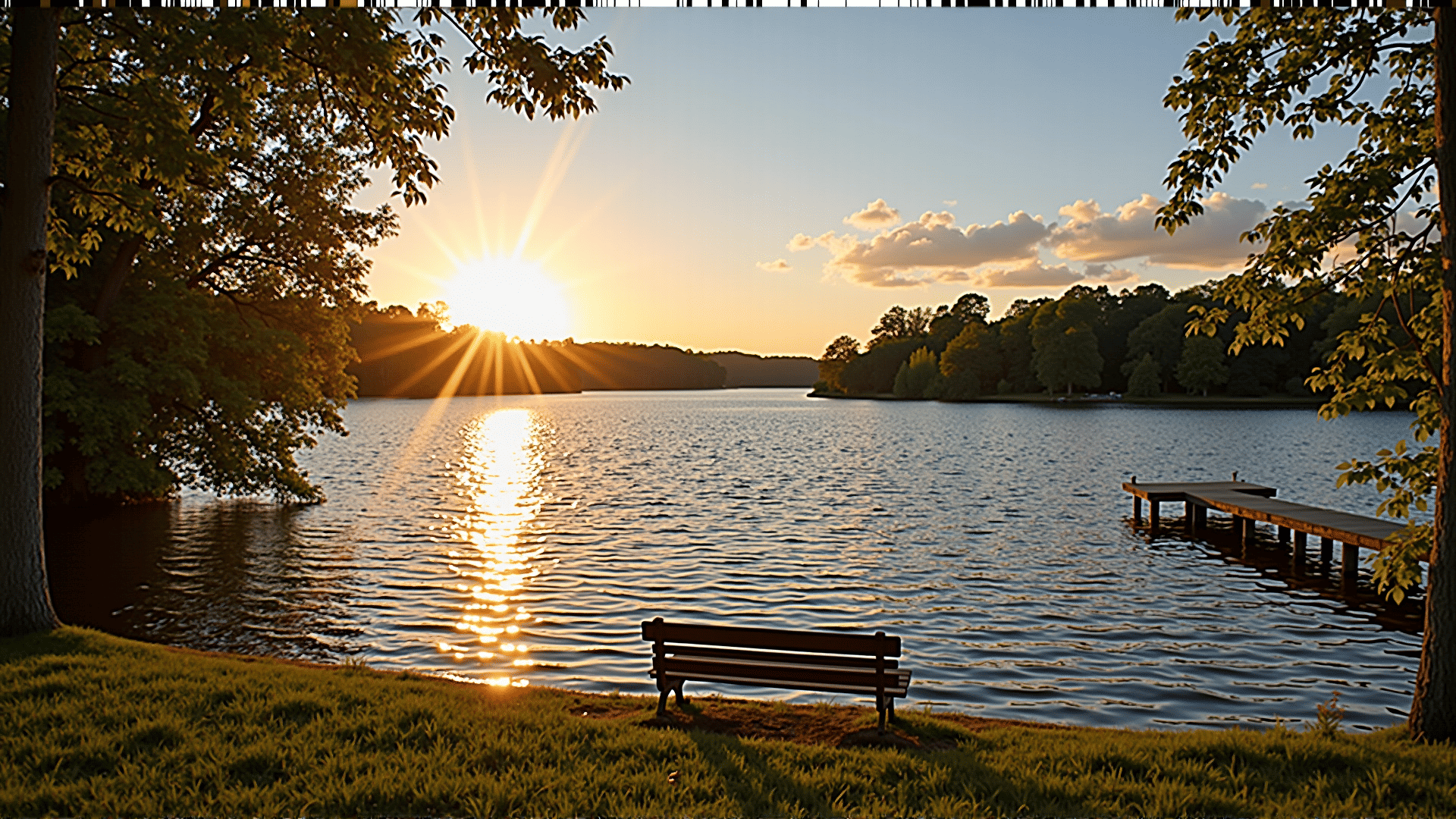
One of the most primal sources of light is natural light, which can be incredibly versatile. The quality of natural light changes throughout the day, offering a diverse range of options—from the warm, soft tones of the golden hour to the stark contrasts of midday sun. Taking advantage of natural light requires an understanding of how different weather conditions and times of day can influence shadows, highlights, and overall atmosphere. Shooting during the early morning or late afternoon, often referred to as the golden hour, can produce images with warm, rich tones and a soft glow that can add a magical quality to portraits and landscapes alike.
On the opposite end of the spectrum is artificial light, which offers unparalleled control. Studio lighting, for example, allows photographers to manipulate intensity, direction, and color temperature to perfectly suit their creative vision. Tools like softboxes, reflectors, and diffusers can be utilized to soften harsh lighting and eliminate unflattering shadows, ensuring flattering and professional-quality results. For those who enjoy experimenting, colored gels can add vibrant hues to a scene, completely transforming the mood and narrative of an image.
For more dynamic shoots, understanding how to balance ambient and artificial light is crucial. This is often used in environments where natural light is limited or does not offer enough brightness. By carefully calibrating the two sources, photographers can highlight their subject while maintaining the ambience of the setting. This technique is particularly valuable in event photography, where capturing the atmosphere of the environment is just as important as highlighting the subject.
Another technique worth mastering is the creative use of shadows. Shadows can add depth and dimension to an image, creating visual interest and enhancing storytelling. Playing with shadow placements can add drama and intrigue, transforming a simple composition into an artistic expression. Moreover, understanding how to work with silhouettes can produce striking and impactful images, focusing on shapes and forms rather than details.
Light painting is yet another fascinating method, where photographers use long exposure and a moving light source to create artistic images. This technique allows for immense creativity, as the light can be manipulated to produce patterns, words, or abstract designs.
By observing how light interacts with different surfaces and experimenting with various techniques, photographers can develop a keen sense for selecting the best lighting setup for their desired outcome. Whether utilizing the gentle illumination of natural daylight or the controlled environment of a studio, mastering lighting is pivotal in crafting visually compelling and emotionally powerful photographs.