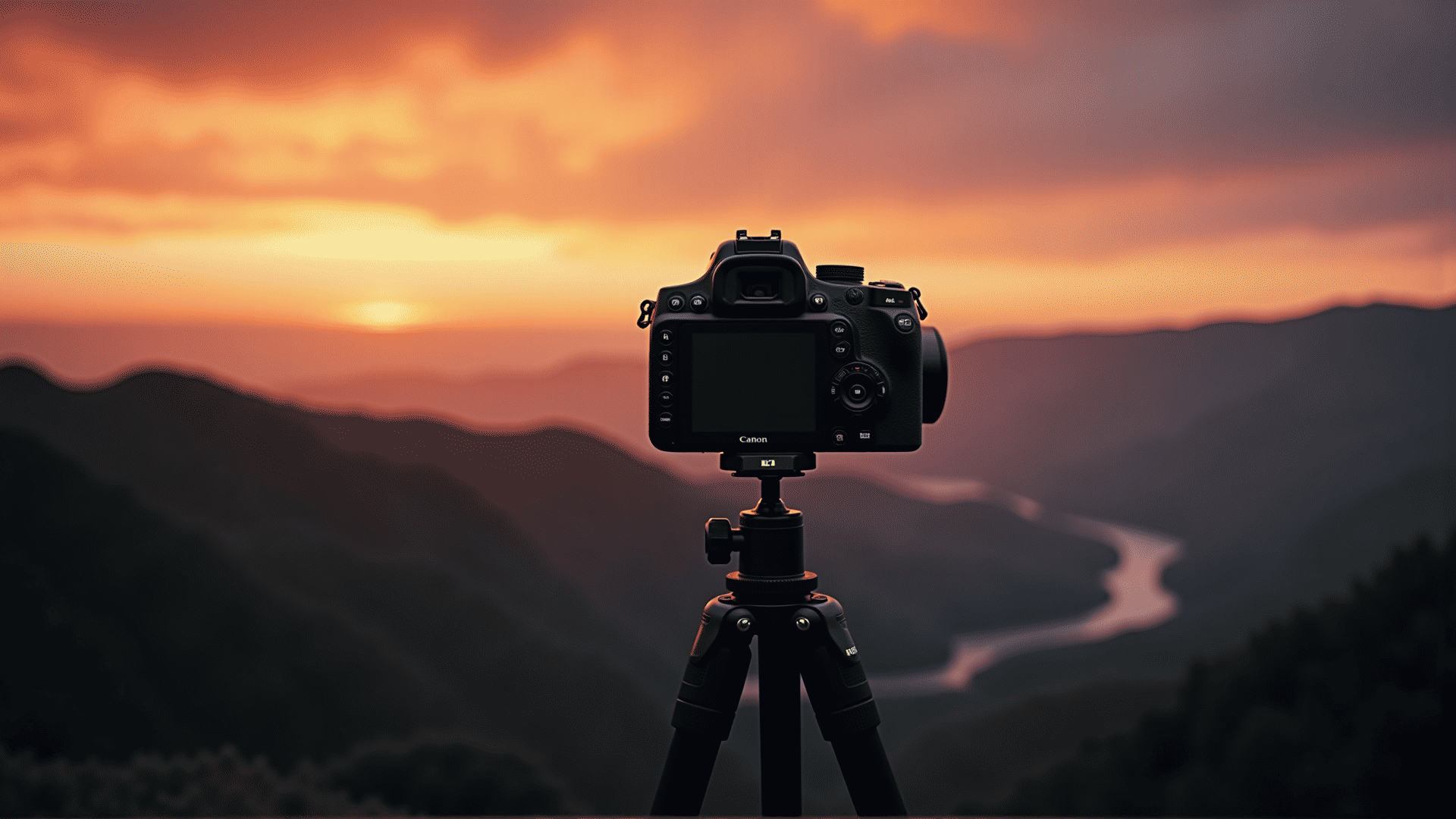
Digital photography has profoundly changed the way we capture and enjoy special moments. This technological revolution began in the latter half of the 20th century and has constantly evolved, reshaping not only art but also everyday life.
Initially, photography required film and manual settings, demanding patience and skill. Each shot was taken with care, as film held a limited number of images that needed to be developed in a dark room. The introduction of digital photography eliminated many of these constraints, providing new freedom and instant results.
With the advent of digital sensors, capturing images became immediate, allowing photographers to see results instantly and make adjustments on the spot. This not only improved the quality of photos but also opened photography to a broader audience. No longer confined to professionals, anyone with a camera could explore their creativity without the barrier of film and development costs.
As technology advanced, so did the cameras. Modern devices are now equipped with powerful sensors and intelligent features such as automated settings, high-resolution capabilities, and vibrant color reproduction. These tools have democratized photography, making it accessible to millions worldwide.
Additionally, the rise of smartphones has furthered this accessibility. Equipped with advanced cameras, these devices allow people to capture high-quality images on the go. Mobile photography has become a staple of daily life, enabling instant sharing and connection with a global audience through social media platforms.
Digital photography has also transformed artistic expression. With the ability to edit and enhance images digitally, creativity knows no bounds. Photographers can use advanced software to manipulate and perfect their work, leading to new styles and techniques that redefine traditional photography.
Despite these advancements, the essence of photography remains, with a focus on capturing authentic moments and telling compelling stories through images. The journey from early digital cameras to today's sophisticated devices reflects a broader shift towards a more inclusive and participatory form of art.
In conclusion, digital photography has revolutionized the way we document our lives and creative endeavors. By making high-quality imaging accessible to all, it has created a more vibrant and diverse photographic landscape, allowing everyone to contribute to the visual narrative of our time.