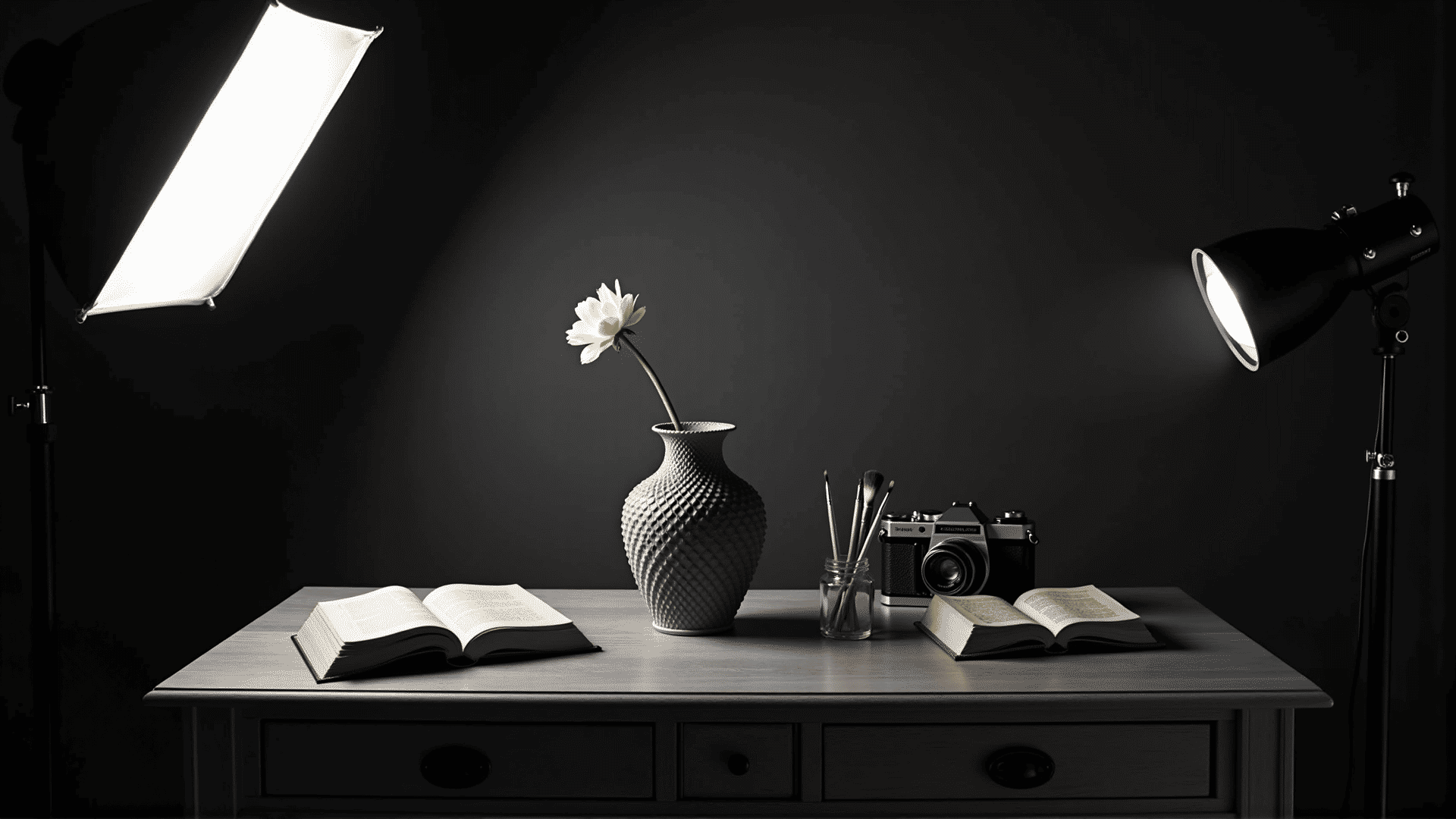
Understanding the interplay between light and composition can elevate a photograph from ordinary to extraordinary. These elements are fundamental, shaping not just how an image looks but how it evokes emotion and tells a story.
Light, the photographer's most crucial ally, defines the mood and texture of an image. It can be soft and diffused, creating a serene and tranquil atmosphere, or harsh and direct, casting stark shadows that add drama and tension. The direction from which light falls on a subject can highlight particular features, lending depth and form. Consider the golden hour, a time beloved by photographers for its warm, flattering glow. This period shortly after sunrise or before sunset enhances colors and adds a magical quality to scenes, creating opportunities for capturing captivating images that resonate with warmth and nostalgia.
Beyond natural light, artificial light sources can also be instrumental in achieving the desired ambiance. Experimenting with different lighting equipment and setups can enable photographers to manipulate highlights and shadows, adding layers of complexity and intrigue to their work. Understanding how to effectively use reflectors, diffusers, and even the camera's flash can further refine the portrayal of the subject.
Once you have a grasp on lighting, the focus shifts to composition. Composition is the art of arranging elements within a frame to guide the viewer’s eye and create balance. One well-known guideline is the Rule of Thirds, where the frame is divided into nine equal sections, and key elements are placed along these lines or their intersections. This technique encourages harmony and visual interest.
Leading lines, another compositional tool, can draw the viewer into the scene, guiding them toward a focal point. These lines can be anything from pathways and rivers to architectural features. Similarly, framing techniques, like using natural elements to border the subject, can add depth and invite the viewer to step into the photographer's world.
Negative space, or the area around and between subjects, is equally important. It gives breathing room and can amplify the focal point, making it stand out prominently. This approach is often employed in minimalist photography, where simplicity enhances the overall impact.
In understanding light and composition, photographers can transcend mere replication of what they see to create visual poetry. By consciously applying these principles, one’s photographs can tell compelling stories, convey emotions, and offer new perspectives, inviting viewers not just to look at the image, but to see through it—into the heart of the subject itself.