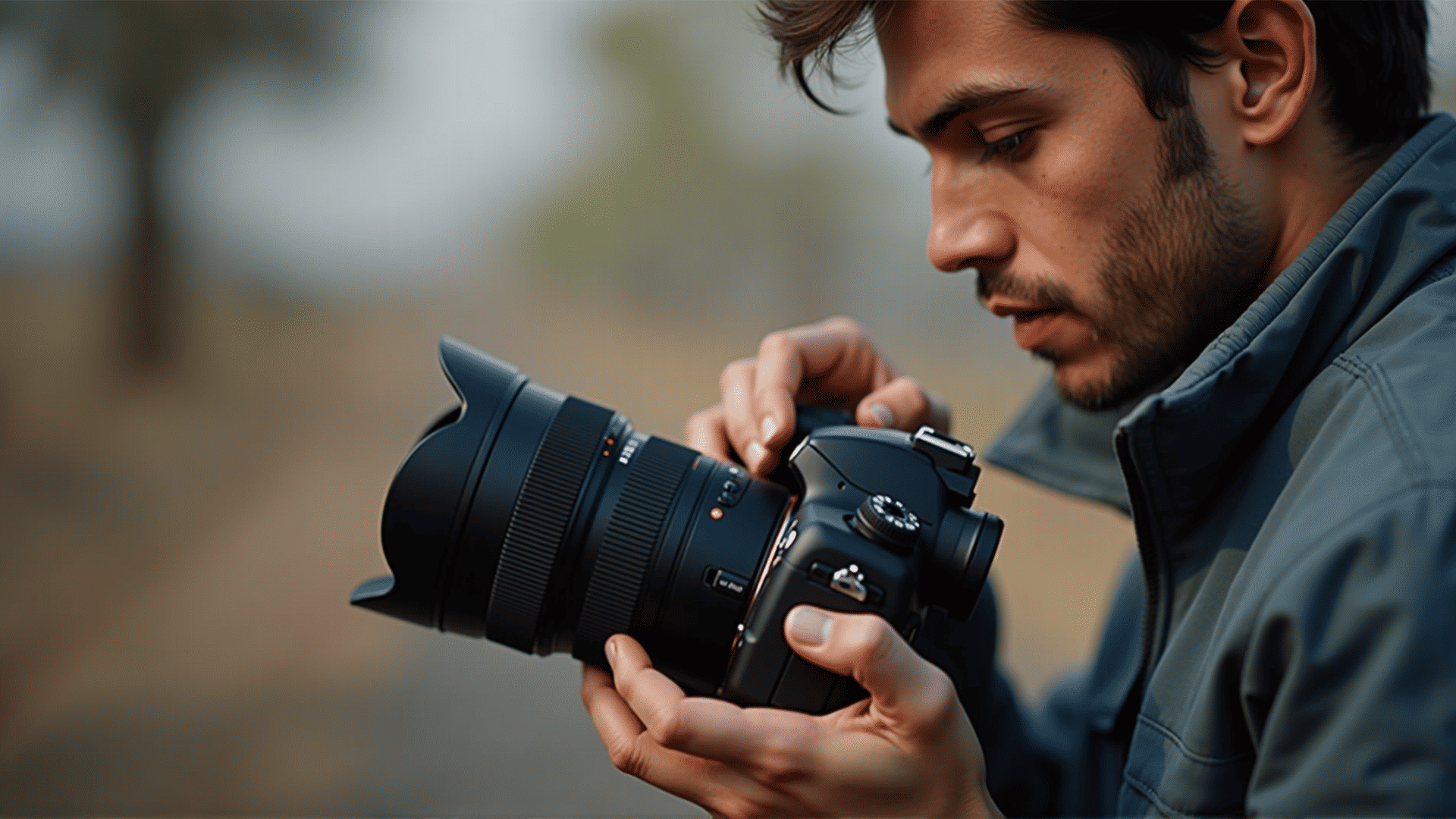
Exploring the art of photography offers limitless opportunities to express one's creativity and view the world through a different perspective. By honing various techniques, photographers can enhance their skills and bring their visionary ideas to fruition. This guide delves into some of the essential techniques that can elevate any photograph from ordinary to extraordinary.
Understanding Exposure
Mastering exposure, which is the combination of shutter speed, aperture, and ISO, is crucial for capturing well-lit images. Shutter speed controls the duration light hits the sensor; a fast speed is ideal for freezing action, while a slow speed can create dramatic motion blur. Aperture influences depth of field; a wide aperture results in a shallow depth of field, isolating the subject from the background. ISO determines the sensor's sensitivity to light; lower ISO values avoid noise but require more light, whereas higher values are useful in low-light settings.
Composition Techniques
Composition guides the viewer's eye within the frame. The Rule of Thirds is a foundational technique, suggesting dividing the frame into a grid and placing focal points along these lines or intersections to create balance. Leading lines draw the viewer's gaze toward points of interest, while symmetry can create a pleasing harmony within the image.
Playing with Perspective
Altering perspective can dramatically change the feel and message of a photograph. Shooting from a low angle can add power to the subject, while a bird’s-eye view provides a unique overview. Intentionally tilting the camera (known as the Dutch angle) can add tension or dynamic composition.
Utilizing Natural Light
Natural light is one of the most readily available and versatile tools for photography. The golden hours, shortly after sunrise and before sunset, provide soft, golden hues that add warmth and softness. Conversely, midday sun offers harsh, direct lighting that can be creatively used for strong contrasts and shadows.
Experimenting with Long Exposure
Long exposure techniques capture movement over time, creating a sense of motion within still frames. It's often used at night to capture light trails or smooth out water surfaces. A tripod is essential for these shots to maintain sharpness while the shutter remains open for extended periods.
Black and White Photography
Stripping away color focuses attention on shapes, textures, and contrasts. Black and white photography can transform even the simplest scenes into powerful statements. The absence of color encourages viewers to engage with the tonal range of the image, emphasizing emotion and mood.
Focusing on Details
Sometimes, the smallest details tell the biggest stories. Macro photography involves capturing close-up details that are often overlooked, such as the texture of a leaf or the intricate patterns of an insect. This technique invites a deeper engagement with the subject.
Mastering Post-Processing
Enhancing images through post-processing can refine the vision captured through the lens. Adjusting brightness, contrast, and saturation can bring an image to life, while more advanced techniques like Dodge and Burn can add depth and focus to specific areas.
Conclusion
Photography is a journey of exploration, where each shot is an opportunity to see the world anew. By experimenting with different techniques and nourishing an understanding of these tools, photographers can continually expand their creative repertoire, capturing moments that resonate long after the shutter clicks. In the practice of photography, the only limit is the imagination.